It’s a little over 6 months since I tried to explain learning photography in an age of generative AI. And in that time I’ve taken some photos which are reasonably decent. And some that utterly terrible. But that’s not a bad thing.
If you look closely at the photo below, you may just about notice a small robin despite the overwhelming presence of a bush and fence dominating the picture.
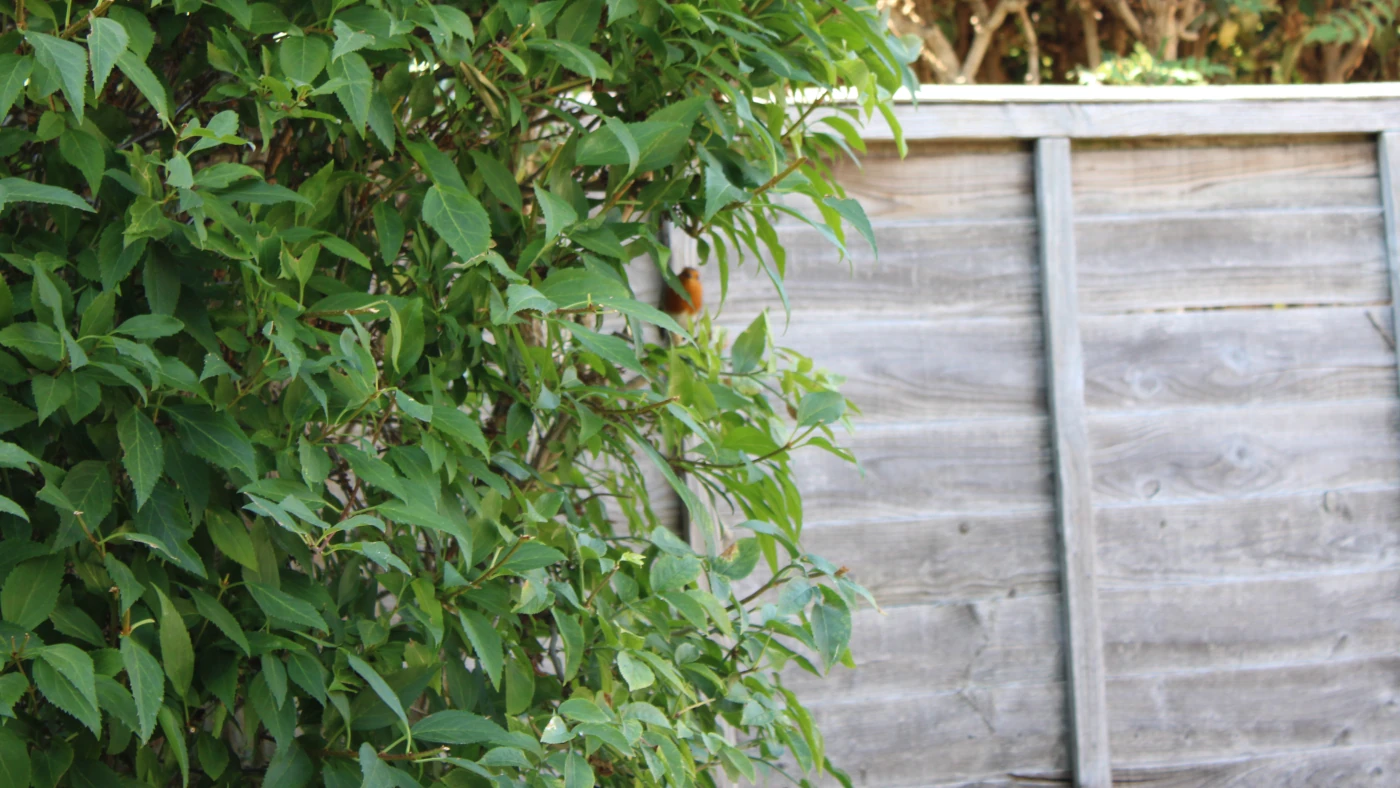
It’s objectively not a very good photo, despite being one of the better ones I took at the time. And I’m fine with that. Despite the fact I could have prompted something far more aesthetically pleasing to share on Instagram in about 30 seconds.
Because it really is about the journey not the destination. I like the fact I’m not a great photographer, and the joy of getting the occasional photo that actually makes me proud. I’m enjoying the fact I have loads to learn about framing, focusing, apertures and post-processing. And even a terrible photo can remind me of a great family moment, a time with friends, or the surprise of seeing a bird land right next to me and hang out in my back garden.
The thoughts were prompted by an Axios article written by someone who picked “The Last of the Mohicans” by James Fenimore Cooper as holiday reading, found it a difficult read, and then decided to get AI to summarise the story so far.
Firstly, unless you’re one of the last students able to actually do a Humanities subject before they all disappear, there’s no reason to read a book you’re not enjoying. You’re not being tested on it, and there’s no requirement to read the American literary canon for the sake of it. And it’s unlikely any house guests are going to spot it on your bookshelf and immediately quiz you on the plot points.
Secondly, if you’re looking for a relaxing holiday read, then pick something suitable. If I want something fun and easy, I’ll pick up a Wallander, Bosch or Reacher book, not The Grapes of Wrath. And most of them blur into a vague memory, whereas I’ll always remember working my way through Cryptonomicon, with frequent breaks to learn more about cryptography and data storage.
Thirdly, ‘wordy, old prose’ and ‘far too dense for casual vacation reading’ isn’t a bad thing. If you want to get better at anything, you need to challenge yourself, and that includes reading. Even a dull or verbose wall of text can supply the occasional word, phrase or thought worth treasuring. Or a misremembered quote can inspire something new.
If anything, the constant flow of AI-generated content, social media updates, project updates, work communities and phone notifications means that sitting down with a dusty old tome and spending time with some challenging prose is more valuable than ever. At least until the robin returns and poses long enough for a decent portrait picture.


